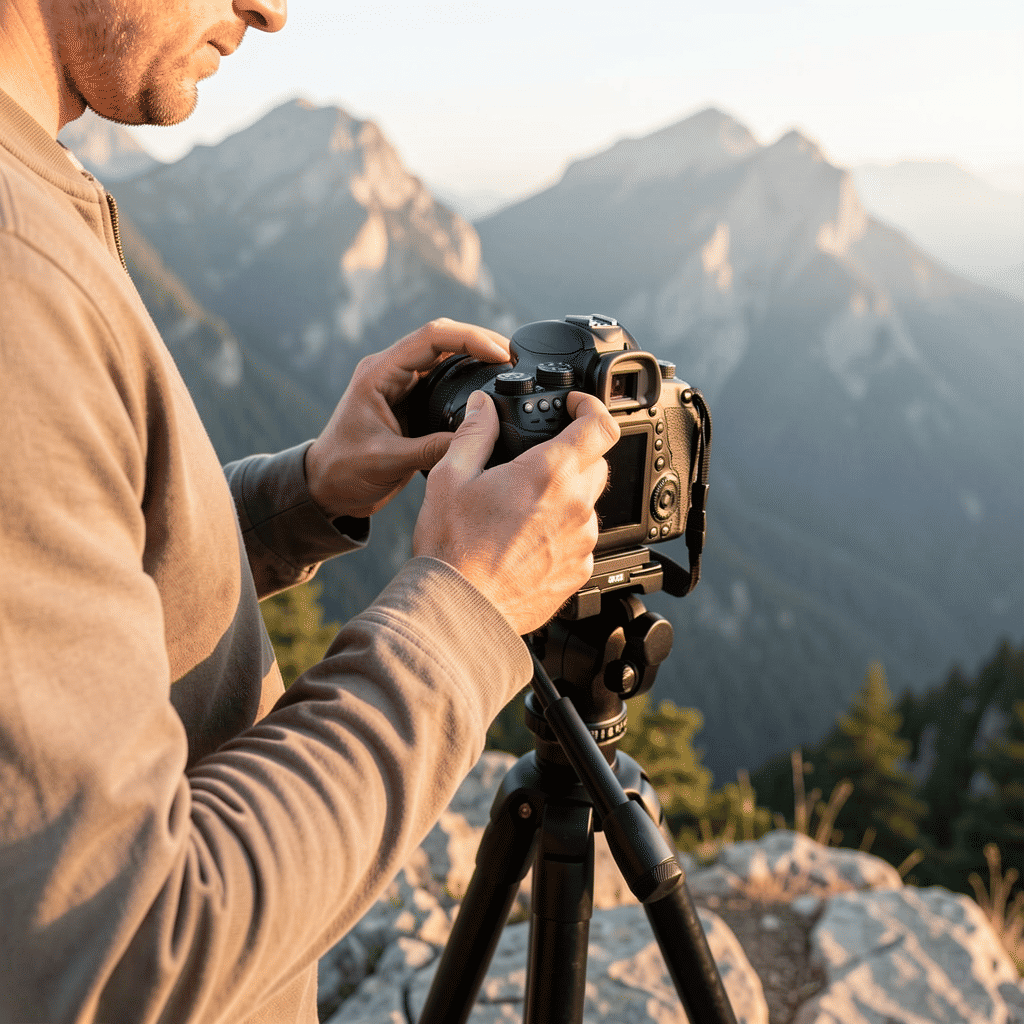
Photography is an art that intertwines technical skill with creative vision. Mastery of fundamental camera techniques empowers photographers to capture stunning images that not only tell a story but also evoke emotion. Here are some indispensable techniques every photographer should understand to elevate their work to the next level.
Understanding Exposure
Exposure is the cornerstone of photography, determined by the interplay of three key elements: aperture, shutter speed, and ISO.
-
Aperture refers to the opening in the lens through which light enters the camera. A wider aperture (lower f-stop number) allows more light, creating a shallow depth of field, perfect for portraits where the subject stands out against a blurred background. Conversely, a smaller aperture (higher f-stop number) provides a deeper focus, ideal for landscapes.
-
Shutter Speed is the time the camera's shutter is open, affecting motion blur in photos. A fast shutter speed can freeze action, while a slower shutter speed can create a sense of motion, such as the silky appearance of a flowing waterfall.
-
ISO measures the camera sensor's sensitivity to light. Lower ISO settings work well in bright conditions, offering cleaner images with less noise. High ISO values are useful in low light but can introduce graininess.
Composition Techniques
Composition is the arrangement of elements within a photo. These techniques help create balanced and engaging images.
-
Rule of Thirds involves dividing the frame into a 3x3 grid and placing the subject along these lines or at their intersections, creating more dynamic and interesting compositions.
-
Leading Lines guide the viewer’s eye through an image, from the foreground to the background. Roads, rivers, or architectural features can naturally lead to the main subject.
-
Symmetry and Patterns can offer striking visual appeal. Symmetrical images are soothing as they replicate balance, while patterns can add rhythmic elements to an otherwise ordinary scene.
Mastering Focus
Understanding how to control focus is crucial in photography.
-
Manual Focus allows for precise control, especially beneficial in low-light scenarios or when auto-focus could struggle, such as in macro photography.
-
Depth of Field adjustment impacts how much of your image is in focus. This is manipulated primarily through aperture settings, affecting how the background and foreground relate to the area of sharp focus.
Creative Techniques
Pushing past traditional constraints can lead to artistic expression in photography.
-
Long Exposure can transform scenes creatively, particularly at night or in low light. By extending the duration of the shutter, motion such as stars traversing the sky or traffic lights painting lines can be captured.
-
Panorama photography stitches multiple images together, perfect for conveying the grandeur of vast landscapes.
-
Bokeh refers to the aesthetic quality of the blur produced in out-of-focus parts of an image. Using a fast lens with a wide aperture can help achieve this pleasing effect, often seen as soft, out-of-focus circles in backgrounds.
Light Mastery
Light is the essence of photography. Knowing how to manipulate and react to light can transform your images.
-
Golden Hour, the period shortly after sunrise or before sunset, offers soft, diffused lighting, minimizing harsh shadows and enriching colors.
-
Artificial Lighting such as flash or continuous lighting can be manipulated to replicate daylight or introduce creative effects like silhouettes and shadows.
Mastering these fundamental techniques can unlock endless potential in your photography journey, allowing you to produce breathtaking images that captivate and inspire. With practice and experimentation, each technique becomes a tool in a comprehensive artistic toolkit, ready to capture the world through your lens.