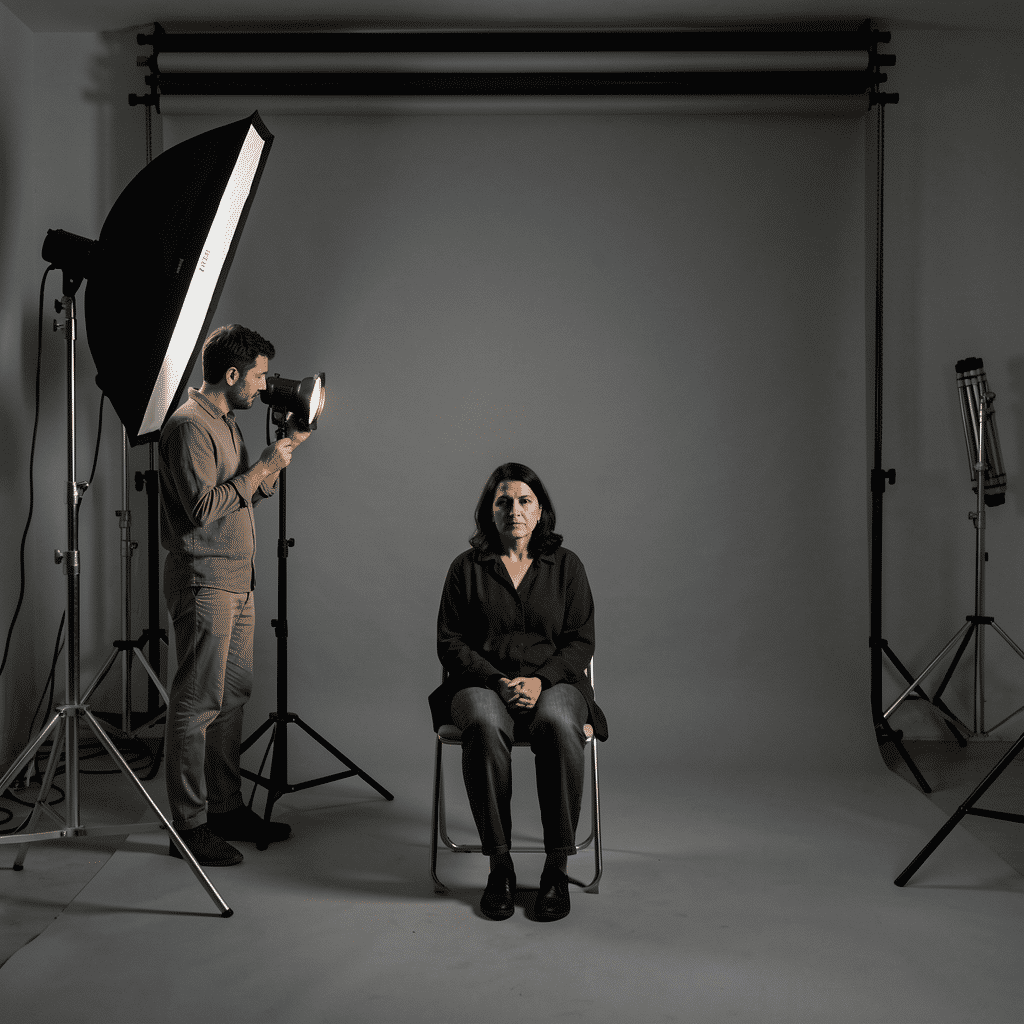
Understanding the importance of light in photography is essential for any photographer, whether you're capturing portraits indoors or landscapes outdoors. Light shapes your subject, sets the mood, and defines the photograph's ambiance. Here, we'll explore how to harness light effectively to create stunning images.
Understanding Light Sources
-
Natural Light: This is the most accessible type of light for photographers. Weather conditions, time of day, and geographic location can all influence natural light. During "golden hour," shortly after sunrise or before sunset, the light is softer and warmer, casting flattering shadows.
-
Artificial Light: Often used indoors, this includes lamps, flash, and studio lights. Artificial light allows more control over brightness and direction. Experiment with different intensities and angles to find the perfect configuration for your shot.
Indoor Photography Tips
-
Window Light: Use windows as a natural and powerful source. A window can offer diffused lighting perfect for portraits. Consider where the light enters the room and place your subject accordingly.
-
Reflectors: These help bounce light onto your subject, reducing harsh shadows. Use a white foam board or a purpose-built reflector for this technique.
-
Color Temperature: Indoor lighting can have different color temperatures; adjusting your camera's white balance ensures colors appear natural. Customizing the white balance settings can help retain true colors.
Outdoor Photography Techniques
-
Golden Hour: Take advantage of the soft, directional lighting during this time for portraits or landscapes. The long shadows and warm tones can add depth and emotion to your images.
-
Overcast Days: Clouds act as a natural diffuser, providing even lighting free of the harsh shadows that come with midday sun. This soft light is perfect for macro or landscape photography.
-
Using Shadows: Shadows can add drama and interest. Consider how light falls on the scene and use shadows deliberately to lead the viewer's eye or create patterns.
Lighting Direction and Its Effects
-
Front Lighting: The light source is directly in front of your subject, illuminating them evenly. This can flatten features but is great for reducing shadows on faces in portraiture.
-
Side Lighting: Placing the light source to the side emphasizes textures and patterns. It can add drama and contrast, particularly useful in black and white photography.
-
Backlighting: Light coming from behind the subject can create silhouettes and outlines, adding an ethereal feel. When controlled, it can make subjects seem backlit with a halo effect.
Light Modifiers
-
Softboxes and Umbrellas: These diffuse artificial light, making it softer and reducing harsh shadows. Softboxes provide even, widespread illumination, perfect for studio work.
-
Grids and Barn Doors: Control the direction and focus of the light. This is helpful when creating dramatic highlights or focusing on a specific area of your subject.
Mastering lighting in photography involves understanding and experimenting with both natural and artificial sources. By being mindful of how light interacts with your subject, you can create stunning images that capture the essence of any moment or scene. Whether using the gentle rays of the sun or the precise beams from a studio lamp, light remains one of the most potent tools in a photographer's kit.